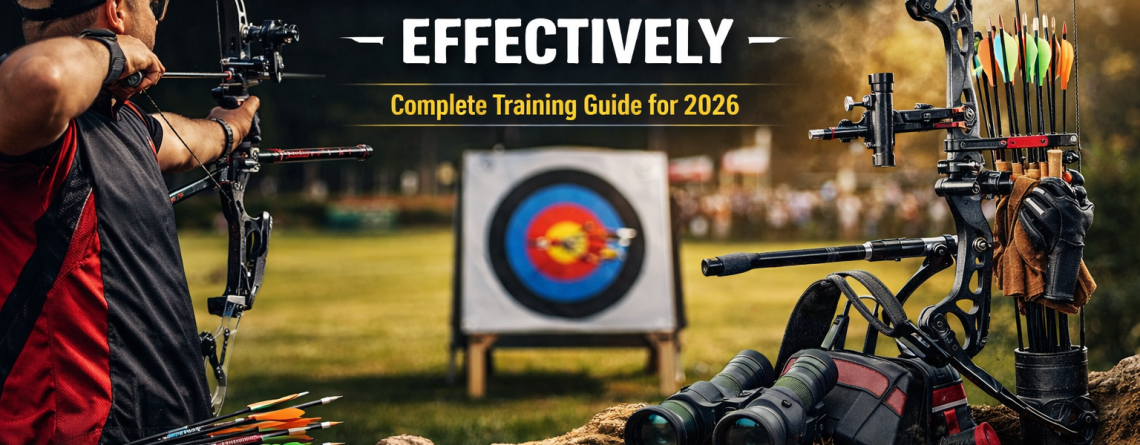
How to Train for Archery Competitions Effectively (Complete Guide)
Archery is a sport of precision, discipline, and mental strength. Winning an archery competition is not just about hitting the target — it’s about consistency, preparation, physical conditioning, and strategic practice. Whether you’re aiming for district-level tournaments or elite global platforms like the Olympic Games, effective training makes all the difference.
In this complete guide, you will learn how to train for archery competitions effectively, improve your accuracy, build endurance, and develop the mental toughness required to perform under pressure.
Understanding Competition Archery
Before creating a training plan, you must understand the format of competitive archery.
Most official tournaments follow rules governed by World Archery. Events are categorized into:
- Recurve Archery
- Compound Archery
- Indoor Competitions
- Outdoor Competitions
For example:
- Olympic Recurve: 70 meters
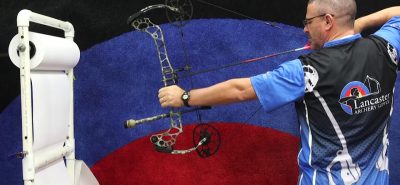
- Compound Outdoor: 50 meters
- Indoor events: 18 meters
Training must match the format of your competition.
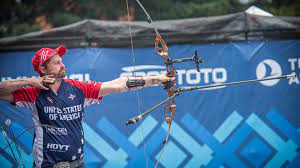
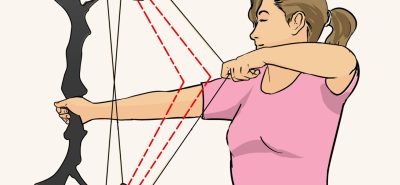
1. Build a Strong Technical Foundation
Technique is the backbone of competition performance.
Key Elements to Master:
✔ Stance
Your feet should be shoulder-width apart. Balanced posture improves stability.
✔ Grip
Avoid gripping the bow too tightly. A relaxed grip ensures smooth release.
✔ Anchor Point
Maintain a consistent anchor point every shot. Even a small variation affects accuracy.
✔ Release & Follow-Through
Clean release and steady follow-through improve grouping.
Weekly Technique Routine:
- Blank bale practice (no target focus)
- 100–150 arrows focusing only on form
- Video analysis once per week
Perfect technique reduces errors during high-pressure scoring rounds.
2. Structured Practice Plan for Competition
Random shooting does not win tournaments. Structured practice does.
Example Weekly Training Plan
Monday: Technique practice + 120 arrows
Tuesday: Strength training + resistance band drills
Wednesday: Scoring round simulation
Thursday: Mental training + light practice
Friday: Full competition distance shooting
Saturday: Equipment tuning + 80 arrows
Sunday: Rest and recovery
Consistency over intensity is key.
3. Physical Conditioning for Archers
Many beginners underestimate the physical demands of archery. During a full tournament, archers may shoot 150+ arrows in a day.
Important Muscle Groups:
- Shoulders
- Upper back
- Core
- Forearms
Recommended Exercises:
- Resistance band draw holds
- Planks (core stability)
- Dumbbell shoulder raises
- Lat pulldowns
- Stretching exercises
Strength training 3 times per week improves endurance and prevents injury.
4. Mental Training – The Hidden Advantage
Archery is 70% mental and 30% physical.
Top competitors at events like the World Archery Championships emphasize mental discipline as the biggest performance factor.
Mental Training Techniques:
🧠 Visualization
Close your eyes and imagine perfect shots hitting the center.
🌬 Breathing Control
Inhale deeply, exhale slowly before every shot.
🎯 Shot Routine
Create a fixed pre-shot routine and repeat it every time.
🧘 Meditation
10 minutes daily improves focus and reduces anxiety.
Handling pressure is what separates winners from average competitors.
5. Practice at Official Competition Distance
Many archers practice at shorter distances because it feels easier. This creates false confidence.
Train regularly at:
- 70 meters (Olympic recurve)
- 50 meters (compound)
- 18 meters (indoor)
Distance-specific training improves judging wind and arrow trajectory.
6. Track and Analyze Performance
Serious competitors track every practice session.
Maintain a Training Journal:
- Date
- Distance
- Arrow count
- Score
- Weather conditions
- Equipment used
Over time, patterns will appear:
- Are your scores dropping in windy conditions?
- Do you lose focus after 60 arrows?
- Is fatigue affecting your grouping?
Data-driven improvement is powerful.
7. Simulate Real Competition Conditions
Once a week, simulate full tournament conditions:
- Use official timing rules
- Wear competition uniform
- Follow scoring protocol
- Avoid music or distractions
This prepares your mind for actual competition day.
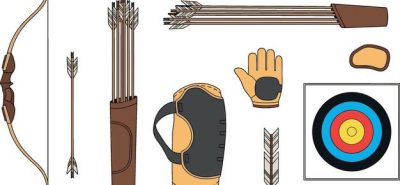
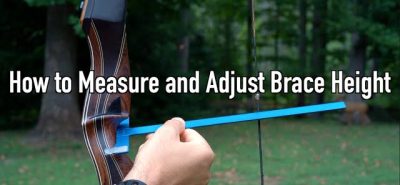
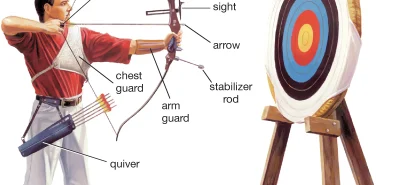
8. Equipment Preparation & Tuning
Even perfect technique fails with poorly tuned equipment.
Checklist Before Competition:
- Inspect bowstring
- Check arrow spine
- Align sight pins
- Tighten stabilizers
- Inspect nocks and fletching
Professional athletes competing in the Olympic Games ensure their equipment is tested weeks before competition.
Never make major equipment changes just before a tournament.
9. Nutrition & Recovery Strategy
Your body needs fuel.
Eat:
- Lean protein
- Complex carbohydrates
- Fruits & vegetables
- Nuts for energy
Avoid:
- Heavy junk food
- Dehydration
- Late-night sleep loss
Sleep 7–8 hours daily. Muscles repair during rest.
10. Common Mistakes Archers Make Before Competitions
❌ Increasing draw weight suddenly
❌ Buying new equipment last minute
❌ Ignoring mental training
❌ Practicing without scoring
❌ Overtraining before competition
Avoid these mistakes to maintain consistency.
11. Pre-Competition Checklist (1 Week Before Event)
✔ Confirm equipment tuning
✔ Practice full scoring rounds
✔ Reduce heavy workouts
✔ Visualize success
✔ Pack spare strings & arrows
Preparation reduces anxiety.
12. Competition Day Strategy
On competition day:
- Arrive early
- Warm up properly
- Trust your training
- Focus on process, not score
If you shoot a bad arrow, forget it immediately. Every arrow is a new opportunity.
13. Long-Term Development Plan
Success in archery is not instant.
3-Month Plan:
- Improve grouping consistency
- Increase endurance
- Master shot routine
6-Month Plan:
- Achieve personal best score
- Compete in 2–3 tournaments
- Improve mental control
1-Year Plan:
- Compete at state/national level
- Achieve ranking improvement
Champions are built through long-term discipline.
Frequently Asked Questions (FAQ)
How many hours should I practice archery daily?
Serious competitors practice 2–4 hours daily, 5–6 days per week.
How do I improve my archery score fast?
Focus on technique, practice at official distance, and track scores regularly.
Is strength training necessary for archers?
Yes. Shoulder and core strength improve stability and endurance.
How do I reduce competition anxiety?
Practice competition simulations and develop a fixed shot routine.
Final Thoughts
Training effectively for archery competitions requires a combination of:
- Technical perfection
- Structured practice
- Physical conditioning
- Mental discipline
- Proper equipment preparation
Whether you dream of competing at the Olympic Games or simply want to improve your tournament performance, consistent training and smart preparation will lead to success.
Remember — talent may win a match, but discipline wins championships.