Basic Archery Safety Rules Every Archer Must Follow
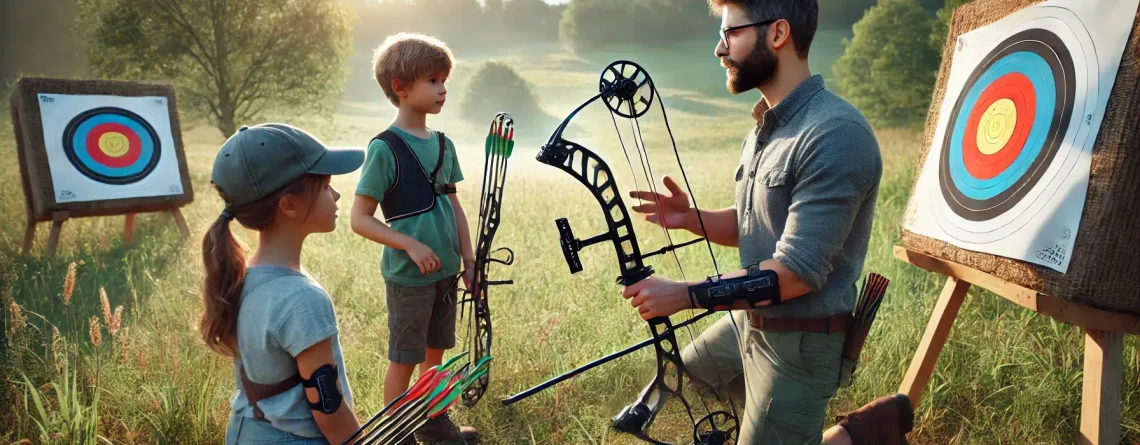
Archery is a sport built on precision, discipline, and control. From beginners learning their first stance to professionals competing at the highest level, every archer shares one responsibility before anything else — safety.
A bow may look simple, but it is a powerful tool designed to shoot arrows at high speed. When handled with care, archery is one of the safest sports in the world. When safety rules are ignored, however, accidents can happen quickly and seriously.
That’s why understanding and following basic archery safety rules is not optional. These rules protect you, fellow archers, coaches, and spectators on the range.
If you are new to the sport, using proper and safe equipment from trusted stores like Bank of Archery is the first step toward safe practice.
🎯 Why Archery Safety Matters
Most incidents in archery do not happen because of equipment failure. They happen because of carelessness, rushing, distractions, or ignoring range commands.
Good safety habits ensure that archery remains enjoyable and accident-free. Safety is not just a rule — it is a mindset every archer must develop from day one.
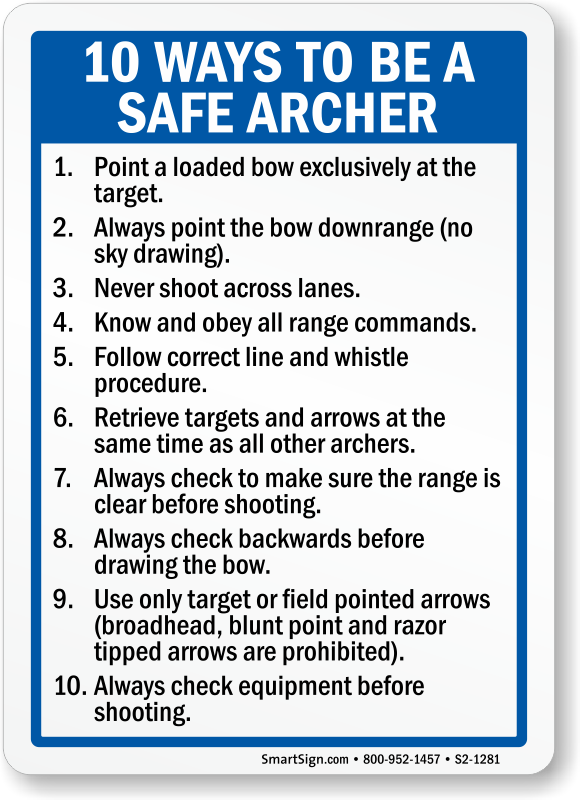
1. Never Point Your Bow at Anyone
Even if your bow is not drawn or there is no arrow on the string, never aim it at a person. Always keep your bow pointed toward the target or the ground.
2. Only Nock an Arrow on the Shooting Line
An arrow should only be placed on the string when you are standing on the shooting line and the range is declared clear for shooting.
3. Always Shoot at a Proper Target with a Backstop
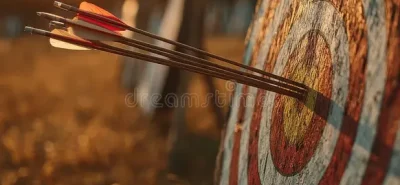
Never shoot into the air, toward trees, or at random objects. Always shoot at a proper archery target with a safe backstop net or wall behind it.
Using high-quality targets and safety gear available at Bank of Archery helps prevent arrows from passing through or rebounding dangerously.
4. Wait for the “All Clear” Before Collecting Arrows
Never cross the shooting line until everyone has finished shooting and the coach or range officer gives the signal.
5. Never Dry Fire Your Bow
Dry firing (releasing the string without an arrow) can crack limbs, snap strings, and even injure the archer.
6. Inspect Your Equipment Before Every Session
Before you start shooting, check:
- Bowstring for fraying
- Limbs for cracks
- Arrow shafts for bends
- Nocks and tips for looseness
If you notice any damage, replace the equipment immediately with reliable products from Bank of Archery.
7. Wear Proper Protective Gear
Always use:
- Arm guard to prevent string slap injuries
- Finger tab or glove to protect fingers
Proper safety accessories are essential and easily available at Bank of Archery.
8. Check the Area Behind the Target
Before shooting, always ensure there are no people, animals, or movement behind the target, especially during outdoor practice.
9. Walk Carefully on the Range
Never run on the archery range. Arrows may be lying on the ground, and running can cause slips or stepping on arrows.
10. Remove Arrows from the Target Safely
Ensure no one is standing behind you, pull arrows straight out, and keep arrows pointed downward while walking back.
11. Avoid Horseplay and Distractions
Do not distract archers while they are shooting. Concentration is critical for safety and accuracy.
12. Store Your Equipment Safely After Practice
After practice, unstring recurve bows if required, store arrows in a quiver, and keep equipment away from children.
13. Follow All Coach and Range Officer Instructions
Always obey commands from the coach or range officer. These rules exist to protect everyone on the range.
14. Be Extra Careful While Shooting in Groups
Maintain your shooting lane, stay aware of others, and shoot only on command.
15. Teach Safety to New Archers
If you are experienced, guide beginners about safety rules and recommend proper equipment from trusted sources like Bank of Archery.
✅ Final Thoughts
Archery is safe, enjoyable, and deeply rewarding when practiced responsibly. By following these basic archery safety rules and using proper equipment from Bank of Archery, you ensure a safe environment for yourself and others.
Good archers aim for the target. Great archers aim for safety first.