How to Choose Your First Archery Bow
Choosing your first archery bow can feel confusing if you are new to the sport. There are different bow types, draw weights, draw lengths, and accessories to consider. In this guide, we break it down step by step so you can choose the perfect beginner bow with confidence.
🏹 Step 1: Understand the Main Types of Bows
Before buying, you need to know the kinds of bows available:
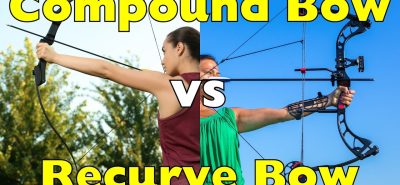
1. Recurve Bow
- Used in the Olympics
- Easy to learn
- Good for beginners
- Modular – limbs and riser can be upgraded
Best for: Target archery, beginners, Olympic training
2. Compound Bow
- Uses cams & cables
- Very accurate with higher arrow speed
- Requires less holding strength at full draw (let-off)
- More advanced tuning
Best for: Target, 3D, hunting
3. Traditional/Longbow
- Simple wooden bow, no sights, no stabilizers
- Requires instinctive shooting style
Best for: Traditional archers, hobbyists
✔️ Which Type Should a Beginner Choose?
Most beginners start with a Recurve Bow because it is easiest to learn, affordable, and allows structured technique development.
🧭 Step 2: Know Your Dominant Eye
Your sighting eye controls your aim.
➤ How to test eye dominance
- Point your finger at an object far away
- Close left eye → if object stays aligned → Right eye dominant
- Close right eye → if object stays aligned → Left eye dominant
Result examples:
- Right-eye dominant → Buy Right-Hand bow
- Left-eye dominant → Buy Left-Hand bow
💪 Step 3: Choose the Right Draw Weight
Draw weight = how much force is needed to pull the string
If you choose too heavy, you will struggle to learn proper form.
Recommended Draw Weight for Beginners
| Age/Category | Draw Weight |
|---|---|
| Kids (8–12) | 10–16 lbs |
| Teens (13–17) | 16–22 lbs |
| Adult Women | 18–28 lbs |
| Adult Men | 22–32 lbs |
Tip: Start lighter → increase as you develop strength.
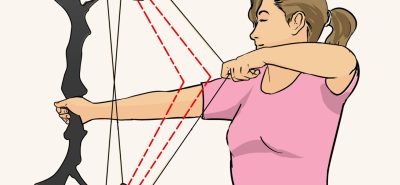
📏 Step 4: Determine Your Draw Length
Draw length = how far you pull the string before release (for compound & form fitting)
➤ Simple Formula (Wingspan Method):
Draw Length = Wingspan (in inches) ÷ 2.5
Example:
- Wingspan = 70 inches
- Draw length ≈ 70 ÷ 2.5 = 28 inches
Note:
- Recurve bows are more flexible with draw length
- Compound bows must match your draw length exactly
🎯 Step 5: Choose the Right Bow Size
This applies mainly to recurve bows.
Recurve Bow Sizing Guide (Height vs Bow Length)
| Archer Height | Bow Size |
|---|---|
| Under 5’2″ (157 cm) | 62–64 in |
| 5’2″–5’8″ (157–173 cm) | 66–68 in |
| 5’8″–6’0″ (173–183 cm) | 68–70 in |
| Over 6’0″ (183+ cm) | 70–72 in |
Longer bows = smoother, more stable shots.
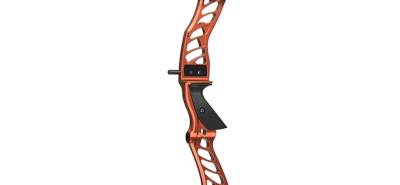
🧩 Step 6: Decide Between Take-Down or One-Piece
Take-Down Recurve
- Riser + limbs are separate
- Limbs can be upgraded later
- Travel friendly
Ideal for beginners
One-Piece Recurve/Longbow
- Limbs and riser are one piece
- Less modular
- Traditional feel
Good for hobby traditional shooters
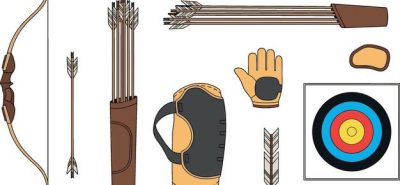
⚙️ Step 7: Consider Essential Accessories
For a beginner, these accessories help a lot:
✔ Bow sight
✔ Arrow rest
✔ Finger tab or release aid
✔ Arm guard
✔ Stringer (for recurve)
✔ Stabilizer (optional)
💸 Step 8: Set a Realistic Budget
Budget Guide
- Recurve beginner setup: ₹10,000 – ₹25,000 (India) / $100–300
- Compound beginner setup: ₹25,000 – ₹60,000 (India) / $250–600
You don’t need top-level equipment to start learning!
🧪 Step 9: Test Before You Buy (If Possible)
If you have a local coach or archery shop:
- Try different draw weights
- Check grip comfort
- Test draw length
- Ask for fitting advice
This prevents wrong purchases.
🏁 Final Recommendations for Beginners
If you are a total beginner:
✔ Start with a Take-Down Recurve Bow
✔ Choose light draw weight
✔ Get basic accessories
✔ Learn form before upgrading
⭐ Bonus Tip
Join a local archery club or get beginner coaching. Proper form matters more than expensive equipment.
📌 Conclusion
Choosing your first archery bow is easy if you follow the right steps. Understanding eye dominance, draw length, draw weight, and bow type will make sure you start comfortably and learn correctly. Begin light, learn safely, and upgrade as you grow.